
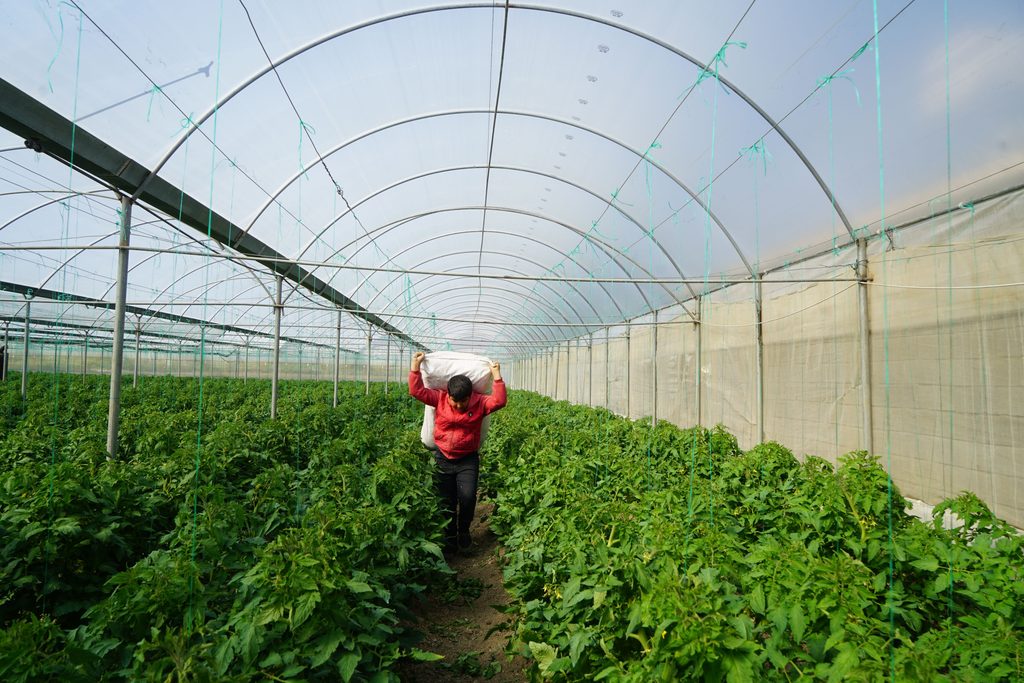
To get better results from polyhouse farming, the fertiliser programme is the most critical input decision a protected cultivation farmer makes every crop cycle. Polyhouse farming is one of the fastest growing segments of Indian agriculture. It is practiced across Maharashtra, Karnataka, Andhra Pradesh, Himachal Pradesh, Rajasthan, and Tamil Nadu by farmers who grow high-value vegetables, flowers, and fruits under controlled conditions to achieve premium quality and year-round production. But getting the most from a polyhouse investment requires a nutrition programme that matches the unique demands of protected cultivation. Standard fertiliser approaches designed for open field farming consistently underperform inside a polyhouse. The confined root zone, high crop density, frequent irrigation, and elevated temperatures create a nutritional environment that is fundamentally different from open field conditions. So better results from polyhouse farming demand products and application methods that are specifically suited to these conditions. Floral Designs brings the complete Basfoliar range from Compo Expert Germany to Indian polyhouse farmers. These are precision water soluble nutrition products that deliver targeted crop nutrition in the exact forms and application methods that polyhouse production demands.
Why Polyhouse Farming Creates Unique Nutritional Challenges
Polyhouse farming amplifies both the opportunities and the challenges of crop nutrition. On the opportunity side, the controlled environment allows the farmer to influence temperature, humidity, and irrigation more precisely than in open field production. So the crop can be pushed harder toward its yield and quality potential with the right inputs. On the challenge side, the polyhouse environment creates nutritional stresses that open field crops rarely face at the same intensity. High temperatures inside the polyhouse during summer months reduce stomatal conductance and slow transpiration-driven nutrient transport from the root zone to the developing shoot and fruit. As a result, calcium deficiency disorders including tip burn in lettuce, blossom end rot in tomato and capsicum, and internal browning in capsicum are far more common and more severe in polyhouse production than in open field growing. Furthermore, the confined root zone in raised beds and growing media used in many polyhouse systems has limited nutrient buffering capacity compared to open field soil. So nutrient imbalances develop faster and are more severe in polyhouses. A single missed irrigation cycle or a delayed fertiliser application can create a deficiency that shows up as visible crop damage within days. As a result, consistency and precision in fertiliser delivery are far more important in polyhouse production than in any open field crop system.
Why Drip Fertigation Is Essential for Polyhouse Crop Nutrition
Drip fertigation is not optional in polyhouse farming. It is the foundation of every high-performing polyhouse nutrition programme. And getting better results from polyhouse farming starts with understanding why drip fertigation in a polyhouse delivers results that foliar sprays alone cannot match. In a polyhouse, the root zone is confined and intensive. Multiple crops are grown at high density in relatively small bed volumes. So the root system of each plant has access to a limited volume of growing medium. As a result, nutrients must be delivered frequently and consistently through the irrigation system to maintain adequate concentrations in the root zone throughout the season. Relying on soil nutrient reserves between applications is not a viable strategy in a confined polyhouse root zone the way it is in open field farming. Hydrospeed CaB Max from Compo Expert Germany delivers calcium and boron through the drip line in a fully water soluble form that is specifically suited to fertigation. Run it through the drip system from transplanting through to the final weeks of the crop. So calcium nutrition is maintained without interruption throughout the season. As a result, the most common and commercially damaging polyhouse quality disorders including tip burn, blossom end rot, and internal browning are prevented before they can appear. Basafer Plus delivers chelated iron through the drip system using EDDHA chelate form. Iron deficiency is particularly common in polyhouse growing media and soilless systems where the buffering capacity that field soils provide for iron availability is absent. So drip-applied EDDHA iron through Basafer Plus maintains iron nutrition consistently in the root zone without the instability that affects iron in high pH or calcareous growing media. Furthermore, Basfoliar Avant Natur SL applied through the drip system supports soil microbial activity and root zone health in polyhouse beds. So the biological environment in the growing medium is maintained in a productive state through the intensive cropping cycles that polyhouse systems run.
Vegetative Phase Nutrition: Balanced NPK for Fast Canopy Development
The vegetative phase in any polyhouse crop is typically accelerated compared to open field growing because of the controlled temperature and humidity environment. So the nutrition programme must keep pace with the faster growth rate by delivering consistent, balanced nutrition throughout the vegetative phase. Basfoliar 19-19-19 SP is the ideal product for the polyhouse vegetative phase. Its balanced nitrogen, phosphorus, and potassium ratio supports even canopy development at the accelerated growth rates that polyhouse conditions encourage. Apply it as a foliar spray every 10 to 14 days through the vegetative phase. Furthermore, because it dissolves completely in water without residue, it can also be fertigated through the drip system on days when foliar application is not practical due to high humidity conditions inside the polyhouse. Add Basfoliar Kelp O SL to alternate foliar sprays through the vegetative phase. Polyhouse crops face chronic heat and humidity stress that reduces nutrient uptake efficiency. So seaweed biostimulants are one of the most consistently effective additions to any polyhouse nutrition programme. The natural betaines and mannitol in Basfoliar Kelp O SL help the plant manage osmotic stress under high temperature conditions. And the cytokinins and auxins support cell division and root development that keeps the plant growing efficiently under the demanding polyhouse environment. As a result, vegetative development is faster, more uniform, and better prepared for the high-demand reproductive stages that follow.
Flowering Stage: High Phosphorus for Better Fruit Set in Polyhouse Conditions
Flowering and fruit set are the stages where polyhouse farming conditions create the greatest nutritional challenges. High temperatures inside polyhouses during summer months reduce pollen viability and increase flower drop. Low night temperatures in winter polyhouses slow metabolic activity at the reproductive stage. And the confined environment reduces the natural pollinator access that open field crops benefit from. So the nutrition programme at flowering must be exceptionally well-timed and targeted to compensate for these environmental challenges. Phosphorus is the dominant requirement at flowering. It drives flower initiation, pollen development, and the energy demands of successful fertilisation. But the speed at which phosphorus reaches the plant in a polyhouse environment matters more than in open field because the flowering window is shorter and more temperature-dependent. Switch the primary foliar spray to Basfoliar 13-40-13 SP as polyhouse crops approach flowering. Apply it two to three times as a foliar spray through each flowering period. Its high phosphorus foliar formulation reaches the plant within hours of application. So it delivers phosphorus at exactly the right moment regardless of the root zone conditions that would delay soil-applied phosphorus in polyhouse growing media. Tank-mix Basfoliar Kelp O SL with every flowering stage spray. The natural plant growth regulators in seaweed extract support pollen viability under the temperature stress that polyhouse flowering is commonly subjected to. As a result, fruit set percentage improves and the proportion of productive flowers in each flush increases.
Fruit Development: Potassium Nutrition for Premium Polyhouse Quality
The fruit development phase in polyhouse crops is where the premium quality that justifies the higher investment in protected cultivation is ultimately delivered. Polyhouse-grown vegetables and fruits command higher prices in fresh markets, supermarket chains, and export channels precisely because their quality consistency is better than open field produce. And the nutrition programme through fruit development is the primary driver of that quality consistency. Potassium dominates the fruit development phase. It drives fruit sizing, colour development, sugar accumulation, and the firmness that gives polyhouse fruit its superior shelf life advantage over open field produce. Basfoliar Fruit SP is the primary foliar spray for polyhouse fruit development. Its high potassium and phosphorus formulation drives all of these quality parameters simultaneously. Apply it every 10 to 14 days from fruit set through to three weeks before harvest. Furthermore, Basfoliar K WP is introduced in alternate sprays through the pre-harvest period. Its chloride-free potassium formulation is particularly important in polyhouse production where salt accumulation in the confined root zone is a persistent management challenge. So Basfoliar K WP delivers the potassium push that polyhouse fruit quality demands without adding to the chloride load in the growing medium. As a result, fruit quality in the polyhouse maintains the premium standard that differentiates it in the market. And continue Hydrospeed CaB Max through the drip line without interruption through every fruit development cycle. Consistent calcium delivery prevents the quality disorders that reduce commercial value at every harvest point through the polyhouse season.
Managing Salt Accumulation in Polyhouse Growing Media
Salt accumulation in polyhouse growing media is one of the most important and most underaddressed challenges in Indian protected cultivation. In open field farming, rainfall and seasonal flooding naturally leach accumulated salts below the root zone. But in a polyhouse, salts from fertiliser applications accumulate in the confined bed volume over successive crop cycles. As a result, electrical conductivity in polyhouse growing media increases progressively over time. And when EC exceeds the crop’s tolerance threshold, root function is impaired, nutrient uptake is reduced, and crop performance deteriorates even when fertiliser applications look correct on paper. Choosing fertiliser products with lower salt indices is one of the most practical strategies for managing salt accumulation in polyhouse systems. The Compo Expert Germany range available through Floral Designs is formulated with high nutrient purity and low impurity loads. So each product delivers its nutrient content with a lower associated salt contribution compared to lower-grade water soluble fertilisers. Furthermore, switching from chloride-containing potassium fertilisers to Basfoliar K WP significantly reduces the chloride accumulation that is one of the primary drivers of EC rise in polyhouse growing media over successive crop cycles. Additionally, Basfoliar Avant Natur SL applied through the drip system supports soil microbial diversity in polyhouse beds. A healthy and diverse microbial community in the growing medium helps buffer against salt stress and supports the breakdown of accumulated nutrient residues between crop cycles. So incorporating organic liquid nutrition alongside synthetic fertiliser products is a practical long-term salt management strategy for polyhouse farmers.
The Complete Polyhouse Nutrition Programme at a Glance
Getting better results from polyhouse farming requires a complete, stage-specific nutrition programme that addresses the unique challenges of protected cultivation. Here is how the full programme fits together using the Compo Expert Germany range from Floral Designs. Step 1: At transplanting, start Hydrospeed CaB Max through the drip line from day one. Apply Basfoliar Kelp O SL for stress-free establishment. Begin foliar sprays with Basfoliar 19-19-19 SP every 10 to 14 days. And apply Basfoliar Avant Natur SL through the drip system for root zone health support. Step 2: Through the vegetative phase, continue Basfoliar 19-19-19 SP as the primary foliar spray with Basfoliar Kelp O SL in alternate sprays. Run Basafer Plus through drip where iron deficiency is a known issue. Continue Hydrospeed CaB Max through the drip line without interruption. Step 3: At each flowering period, switch the primary foliar spray to Basfoliar 13-40-13 SP. Tank-mix Basfoliar Kelp O SL with every flowering spray. Continue Hydrospeed CaB Max without interruption. Step 4: Through each fruit development cycle, apply Basfoliar Fruit SP and Basfoliar K WP in alternate sprays every 10 to 14 days. Continue drip calcium and drip organic nutrition through Basfoliar Avant Natur SL through every harvest cycle. So this four-step programme addresses every major nutritional requirement of polyhouse crops from transplanting through to final harvest. Each product is chosen for the stage and application method where it delivers the greatest commercial impact in a protected cultivation environment. As a result, polyhouse farmers who follow this programme see better vegetative establishment, higher fruit set under temperature stress, premium fruit quality at every harvest, fewer calcium and iron deficiency disorders, and significantly improved total yield and commercial returns from their polyhouse investment. For detailed agronomic research on protected cultivation nutrition and fertigation management for Indian polyhouse conditions, visit the Indian Council of Agricultural Research which publishes extensive guidelines on polyhouse crop nutrition, integrated pest and nutrient management, and fertigation systems for protected cultivation across India. Browse the complete Compo Expert Germany range on the Floral Designs Shop. Learn more about the brand and its sourcing philosophy on the About Us page. And contact the team for personalised guidance on building a polyhouse nutrition programme for your specific crops, growing media, and production system.
Conclusion
Getting better results from polyhouse farming requires a nutrition programme that is as precise and controlled as the growing environment itself. Consistent drip calcium from transplanting to prevent quality disorders. Balanced NPK foliar nutrition accelerated to match the faster growth rates that polyhouse conditions support. High phosphorus at each flowering flush to maximise fruit set under temperature stress. Chloride-free potassium through fruit development for premium quality without salt accumulation. And seaweed biostimulants throughout to keep the plant performing at its physiological best under the demanding polyhouse environment. The Compo Expert Germany range available through Floral Designs covers every one of these requirements. So if your polyhouse investment is not yet delivering the premium yields and quality that protected cultivation makes possible, start with the nutrition programme. Build it right. And see what precision German nutrition can do for your polyhouse crops.