
How to Get Better Strawberry Yields in India with Precision Fertiliser Nutrition
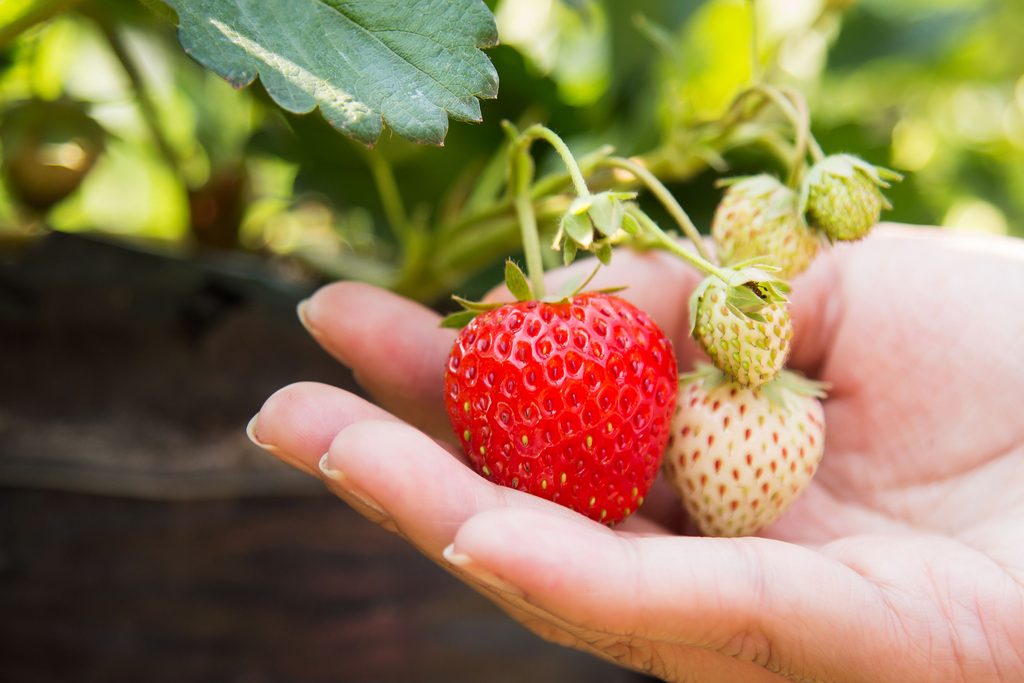
To get better strawberry yields in India, precision fertiliser nutrition is the single most important input decision a strawberry farmer makes every season. Strawberry is one of India’s most commercially valuable and nutritionally demanding fruit crops. It is grown across Maharashtra, Himachal Pradesh, Uttarakhand, Karnataka, and West Bengal by farmers who depend on fruit size, colour, sugar content, firmness, and post-harvest shelf life for their income. Yet yield and quality gaps remain wide across most Indian strawberry farms. Most Indian strawberry farmers apply urea and DAP at fixed intervals with occasional calcium nitrate sprays. But this approach misses potassium, boron, zinc, iron, and several other nutrients that are critical for strawberry fruit development, colour, and shelf life. Furthermore, strawberry is one of the most chloride-sensitive crops grown in India. So standard potassium fertilisers containing muriate of potash actively reduce fruit quality even when they supply adequate potassium. Getting better strawberry yields in India requires a complete, stage-specific nutrition programme that delivers the right product in the right form at every critical stage of the strawberry crop cycle. Floral Designs brings the complete Basfoliar range from Compo Expert Germany to Indian strawberry farmers. These are precision nutrition products designed to deliver the targeted crop nutrition that high-quality strawberry production demands. Why Strawberry Has Unique Nutritional Requirements Strawberry is a perennial crop that produces multiple flush cycles of flowers and fruit across a season that spans several months. So the nutritional demands of the crop are continuous and shift repeatedly between vegetative development, flowering, and fruit development phases across the full growing season. This is fundamentally different from a single-harvest annual crop and it means the nutrition programme must be dynamic rather than fixed. Potassium is the dominant macronutrient for strawberry fruit quality. It drives sugar accumulation, colour development, fruit firmness, and post-harvest shelf life. Yet strawberry is highly sensitive to chloride. So standard potassium fertilisers containing muriate of potash damage strawberry plants at higher application rates by accumulating chloride in the root zone and the fruit tissue. This reduces flavour quality and shortens shelf life. As a result, chloride-free potassium sources are not just a premium option for strawberry farmers. They are a practical necessity for anyone growing to commercial quality standards. Calcium is equally critical for strawberry. Tip burn of leaves and calyx browning are two of the most common quality problems in Indian strawberry production. Both are calcium deficiency disorders. Calcium builds strong cell walls in developing fruit and calyx tissue. So inadequate calcium leads to soft fruit, tip burn, and significantly reduced shelf life after harvest. Furthermore, boron deficiency causes poor fruit set and misshapen fruit in strawberry. So addressing calcium, boron, and chloride-free potassium together as a core nutritional strategy is the most impactful change any Indian strawberry farmer can make to improve both yield and commercial quality. Transplanting and Early Establishment: Building a Strong Root System Strawberry transplants are highly susceptible to stress in the first two to three weeks after establishment. The success of this establishment phase determines the productivity of the plant through the entire fruiting season. So getting the nutrition right immediately after transplanting is the first and most important step to getting better strawberry yields in India. Calcium and phosphorus are the most critical nutrients at transplanting and early establishment. Phosphorus drives root development and helps the transplanted runner establish quickly in the new growing environment. Calcium supports cell wall development in young root and crown tissues and reduces transplant stress. So getting both nutrients into the root zone immediately after transplanting sets the crop up for a faster, stronger establishment. Start Hydrospeed CaB Max from Compo Expert Germany through the drip line from the day of transplanting. Calcium and boron delivery from the very beginning of the season is the most reliable way to prevent tip burn and calyx browning disorders from appearing later in the production cycle. So establishing consistent drip calcium from transplanting rather than starting it after symptoms appear is a fundamental programme change that delivers dramatically better results across the full fruiting season. Furthermore, apply Basfoliar Kelp O SL as a foliar spray in the first two weeks after transplanting. The natural auxins in this seaweed product stimulate new root growth and reduce transplant shock. So runners establish faster and enter the vegetative phase more quickly. As a result, the plant builds a stronger crown and root system before the first flowering flush begins. Begin foliar sprays with Basfoliar 19-19-19 SP within the first week after transplanting. Its balanced nitrogen, phosphorus, and potassium ratio supports even early growth without stressing the freshly transplanted runner. Apply it every 10 to 14 days through the vegetative phase. Vegetative Phase: Building the Crown Strength That Supports Fruit Production The vegetative phase in strawberry is where the plant builds the crown strength, leaf area, and stolon development that will support multiple flush cycles of fruit production through the season. A well-developed crown with strong leaf area produces more flowers per flush, sets more fruit per flower, and maintains productivity for longer through the harvesting season than a weakly established plant. So maximising vegetative development through the early post-transplanting period is directly linked to total yield across the full season. Nitrogen drives leaf and crown development during the vegetative phase. But nitrogen must be delivered in balance with phosphorus and potassium. Too much nitrogen pushes rank vegetative growth that delays flower initiation and produces soft, poorly coloured fruit. So the vegetative phase programme must maintain balance to support strong crown development without compromising reproductive performance. Continue Basfoliar 19-19-19 SP as the primary foliar spray every 10 to 14 days through the vegetative phase. Its balanced NPK ratio keeps the plant developing evenly. Furthermore, add Basfoliar Kelp O SL to alternate sprays through the vegetative phase. It improves nutrient uptake efficiency and builds the plant’s tolerance of the temperature fluctuations and water stress that strawberry crops face in Indian growing conditions. On farms where iron deficiency is a known problem, start Basafer