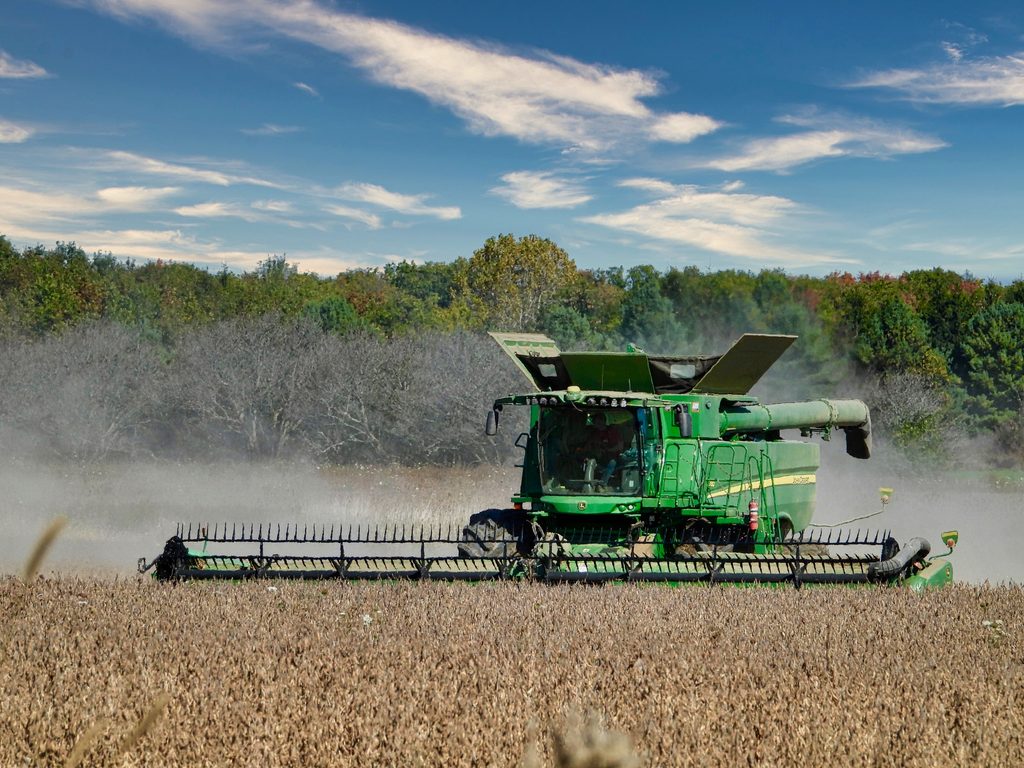
To improve soybean yield in India, precision crop nutrition is the most impactful change a soybean farmer can make this kharif season. Soybean is one of India’s most important oilseed and protein crops. It is grown across Madhya Pradesh, Maharashtra, Rajasthan, Karnataka, and Telangana by millions of farmers who depend on it for both oilseed income and soil nitrogen fixation benefits. Yet yield gaps between current farm performance and agronomic potential remain wide across most Indian soybean growing regions. The national average soybean yield in India is significantly below yields achieved on research farm trials and progressive farmer fields using optimised nutrition programmes. Most Indian soybean farmers apply a basal dose of DAP at sowing and rely on biological nitrogen fixation through Rhizobium bacteria to cover nitrogen needs through the season. But this approach misses phosphorus at pod filling, potassium throughout the season, sulphur for protein synthesis, and several micronutrients that are critical for soybean nodulation, pod set, and seed quality. To improve soybean yield in India means addressing every nutritional requirement of the soybean plant at every stage of its growth cycle with the right product in the right form at the right time. Floral Designs brings the complete Basfoliar range from Compo Expert Germany to Indian soybean farmers. These are precision nutrition products that cover every nutritional gap in the conventional soybean fertiliser programme.
Why Soybean Has Unique Nutritional Requirements That Standard Programmes Miss
Soybean is a legume. So it fixes atmospheric nitrogen through Rhizobium bacteria in root nodules. This biological nitrogen fixation reduces but does not eliminate the crop’s nitrogen fertiliser requirement. In fact, research consistently shows that the high yield potential of modern soybean varieties exceeds what biological nitrogen fixation alone can supply. So targeted nitrogen supplementation at critical growth stages is important for maximising soybean yield even on well-inoculated fields. Furthermore, soybean is an extremely demanding crop in terms of phosphorus and potassium. Phosphorus drives root nodule development, energy transfer in seed formation, and pod set. So phosphorus deficiency reduces both biological nitrogen fixation efficiency and pod yield simultaneously. Potassium drives seed filling, protein synthesis, and disease resistance. And potassium deficiency is widespread in Indian soybean soils because most standard programmes apply little or no potassium to a legume crop that removes large quantities of it with every harvest. Sulphur is another critical nutrient that most Indian soybean farmers ignore entirely. Sulphur is essential for the synthesis of the sulphur-containing amino acids methionine and cysteine, which are important components of soybean seed protein. So sulphur deficiency directly reduces seed protein content and overall seed quality. Micronutrient deficiencies including zinc, iron, boron, and molybdenum also significantly limit soybean performance on many Indian soils. And none of these are addressed by the standard DAP-only basal programme that most soybean farmers rely on.
Sowing Stage: Building a Strong Nodulation and Root Foundation
The sowing stage is where the soybean season foundation is established. Getting the nutrition right at this stage supports faster germination, better seedling establishment, stronger root development, and most importantly, better Rhizobium nodulation. Strong nodulation from early in the season maximises biological nitrogen fixation through the vegetative phase. And that nitrogen fixation is the most cost-effective source of nitrogen available to any soybean farmer. Phosphorus is the most critical nutrient at sowing for soybean. It drives root development and nodule formation in the germinating seedling. So adequate phosphorus from the very beginning of the season supports faster germination, better root initiation, and more uniform nodule development across the root system. Furthermore, molybdenum is a critical micronutrient for Rhizobium nodulation. It is the metal cofactor of the nitrogenase enzyme that drives biological nitrogen fixation. So molybdenum deficiency directly reduces the efficiency of nitrogen fixation even when Rhizobium inoculation has been done correctly. Basacote High K 6M from Compo Expert Germany provides a sustained nutritional foundation through the long soybean growing season from a single basal application. Its controlled release mechanism delivers consistent background potassium, phosphorus, and nitrogen nutrition through the vegetative and early reproductive phases. So the crop has a reliable nutritional platform from germination through to pod initiation without the nutrient flush and depletion cycle that conventional granular applications create. Furthermore, start Basfoliar Kelp O SL as a foliar spray within the first two weeks after emergence. The natural auxins and cytokinins in this seaweed product stimulate new root growth and support the hormonal environment that favours Rhizobium nodulation. So seedling establishment is faster, root development is stronger, and nodulation is better from the very beginning of the season. As a result, biological nitrogen fixation starts earlier and proceeds more efficiently through the vegetative phase.
Vegetative Phase: Supporting Canopy Development and Nodule Function
The vegetative phase in soybean spans from emergence through to the first flower. During this period, the plant builds the leaf canopy that will support pod set and seed filling. And the Rhizobium nodules on the root system are actively fixing atmospheric nitrogen and supplying it to the growing plant. So the vegetative phase nutrition programme must support both canopy development and nodule function simultaneously. Balanced NPK nutrition through the vegetative phase keeps the plant developing evenly without disrupting the biological nitrogen fixation system. High nitrogen applications at this stage are counterproductive because they suppress Rhizobium nodulation and reduce biological nitrogen fixation. So the vegetative nutrition programme should focus on phosphorus, potassium, and micronutrients rather than added nitrogen. Basfoliar 19-19-19 SP applied as a foliar spray every 10 to 14 days through the active vegetative phase delivers balanced NPK nutrition directly to the soybean canopy. It supports even canopy development without the excessive nitrogen that would suppress nodulation. Furthermore, because it is a foliar spray, it delivers nutrition more efficiently than soil-applied fertilisers on the black cotton soils of Madhya Pradesh and Maharashtra where waterlogging during the monsoon regularly impairs root uptake. As a result, canopy development is more balanced and the plant enters the flowering stage in better nutritional condition. Add Basfoliar Kelp O SL to alternate foliar sprays through the vegetative phase. The natural betaines and mannitol in seaweed extract help the plant manage the water stress and waterlogging stress that monsoon-grown soybean faces regularly in Indian conditions. So the plant maintains consistent vegetative development through difficult weather periods. And on farms where iron deficiency is present, start Basafer Plus through the irrigation system during the vegetative phase. Iron chlorosis on soybean leaves is common on the alkaline soils of Rajasthan and parts of Maharashtra. It reduces photosynthetic efficiency and nodule function simultaneously. So correcting it early in the season protects both yield formation processes.
Flowering and Pod Set Stage: High Phosphorus for Maximum Pod Number
The flowering and pod set stage is the most critical nutritional window in the entire soybean crop cycle for getting better yields. Pod set percentage at this stage determines the final pod count per plant. And pod count per plant is the primary driver of total soybean yield. So under-delivering on nutrition at this stage has consequences that carry through to final harvest regardless of how well the seed filling stage is managed later. Phosphorus is the dominant nutritional requirement at flowering and pod set. It drives the energy transfer processes that support flower development, fertilisation, and the early development of each pod. So adequate phosphorus at exactly the right moment maximises the percentage of flowers that develop into pods and minimises pod abortion in the critical two to three weeks after flowering. Switch the primary foliar spray to Basfoliar 13-40-13 SP as the soybean crop approaches first flower. Apply it two to three times as a foliar spray from first flower through to early pod set. Its high phosphorus formulation delivers targeted reproductive stage nutrition directly to the soybean canopy within hours of application. As a result, pod set percentage improves, pod abortion rates reduce, and the final pod count per plant at harvest is higher compared to crops on standard DAP-only programmes. Furthermore, start Hydrospeed CaB Max through the drip or irrigation system from flowering through to early pod filling. Calcium is critical for pod wall development and boron is essential for pollen viability and fertilisation in soybean flowers. So consistent calcium and boron nutrition from the flowering stage through early pod development gives the soybean plant the most complete nutritional support available for maximising pod set and retention. Tank-mix Basfoliar Kelp O SL with every flowering stage spray for additional hormonal support for pod set and stress tolerance through the critical reproductive window.
Seed Filling Stage: Potassium and Phosphorus for Better Seed Quality
The seed filling stage is where the commercial value of the soybean crop is ultimately determined. Seed weight, protein content, oil content, and seed size are all established during this phase. And potassium is the dominant nutritional driver of every one of these quality parameters alongside phosphorus which continues to play a critical role in energy supply for seed filling. Potassium controls the loading of assimilates from leaves and pods into developing seeds. So adequate potassium during seed filling means heavier seeds with higher protein and oil content. Potassium also maintains the health and functional duration of the upper canopy leaves during the seed filling period. So the plant stays photosynthetically active for longer, producing more assimilates for seed filling. Furthermore, potassium improves the plant’s resistance to late-season diseases including pod blight and stem canker, which are significant yield reducers in the high humidity conditions of the Indian monsoon season. Basfoliar Fruit SP is the primary foliar spray for the seed filling phase. Its high potassium and phosphorus formulation drives assimilate loading into developing seeds and supports the energy demands of rapid seed filling. Apply it every 10 to 14 days from early pod filling through to two weeks before expected harvest. As a result, seed weight improves, seed size increases, protein content is higher, and the proportion of fully filled seeds in the harvest goes up compared to crops where potassium nutrition is not maintained through the seed filling stage. Basfoliar K WP is introduced in alternate sprays through the seed filling and pre-harvest phase. Its chloride-free formulation delivers clean potassium nutrition without the chloride accumulation that standard muriate of potash creates in intensively farmed soybean soils. So seed quality parameters including protein content, oil content, and seed weight all improve compared to crops fertilised with chloride-containing potassium sources.
The Complete Soybean Nutrition Programme at a Glance
To improve soybean yield in India, here is how the complete precision nutrition programme fits together using the Compo Expert Germany range from Floral Designs. Step 1: At sowing, apply Basacote High K 6M as the basal controlled release application. Inoculate seed with Rhizobium and address zinc and molybdenum deficiency proactively on deficient fields. Apply Basfoliar Kelp O SL as a foliar spray within the first two weeks after emergence for root stimulation and nodulation support. Step 2: Through the active vegetative phase, apply Basfoliar 19-19-19 SP as the primary foliar spray every 10 to 14 days. Add Basfoliar Kelp O SL to alternate sprays for stress tolerance and canopy support. And start Basafer Plus through irrigation on iron-deficient fields. Step 3: From first flower through early pod set, switch the primary foliar spray to Basfoliar 13-40-13 SP. Tank-mix Basfoliar Kelp O SL with every flowering spray. And start Hydrospeed CaB Max through drip or irrigation for calcium and boron support through flowering and early pod development. Step 4: From early pod filling through pre-harvest, apply Basfoliar Fruit SP and Basfoliar K WP in alternate sprays every 10 to 14 days through to two weeks before harvest. So this four-step programme addresses every major nutritional requirement of the soybean crop from sowing through to pre-harvest seed filling. Each product is chosen for the stage where it delivers the greatest impact on pod count, seed weight, protein content, and overall yield. As a result, soybean farmers who follow this programme see stronger nodulation, better pod set, heavier seed filling, higher protein content, and significantly improved total yield from the same fields compared to the standard DAP-only programme they were using before. For detailed agronomic research on soybean nutrition and fertiliser management across Indian growing regions, visit the Indian Council of Agricultural Research which publishes extensive guidelines on integrated nutrient management for soybean across all major Indian kharif growing states and soil types. Browse the complete Compo Expert Germany range on the Floral Designs Shop. Learn more about the brand and its sourcing philosophy on the About Us page. And contact the team for personalised guidance on building a soybean nutrition programme for your specific variety, soil type, and growing region.
Conclusion
To improve soybean yield in India, the standard DAP-only basal programme is not enough. It misses potassium at every stage. It ignores sulphur, zinc, iron, boron, and molybdenum entirely. And it provides no targeted nutrition at the flowering, pod set, and seed filling stages where the commercial value of the crop is ultimately determined. The Compo Expert Germany range available through Floral Designs covers every one of these gaps with precision products chosen for each stage of the soybean crop cycle. So this kharif season, stop leaving yield and seed quality on the table because of nutritional gaps that a smarter programme could close. Build the right programme. Feed every stage. And see what your soybean crop can actually deliver when it has everything it needs at exactly the right time.