
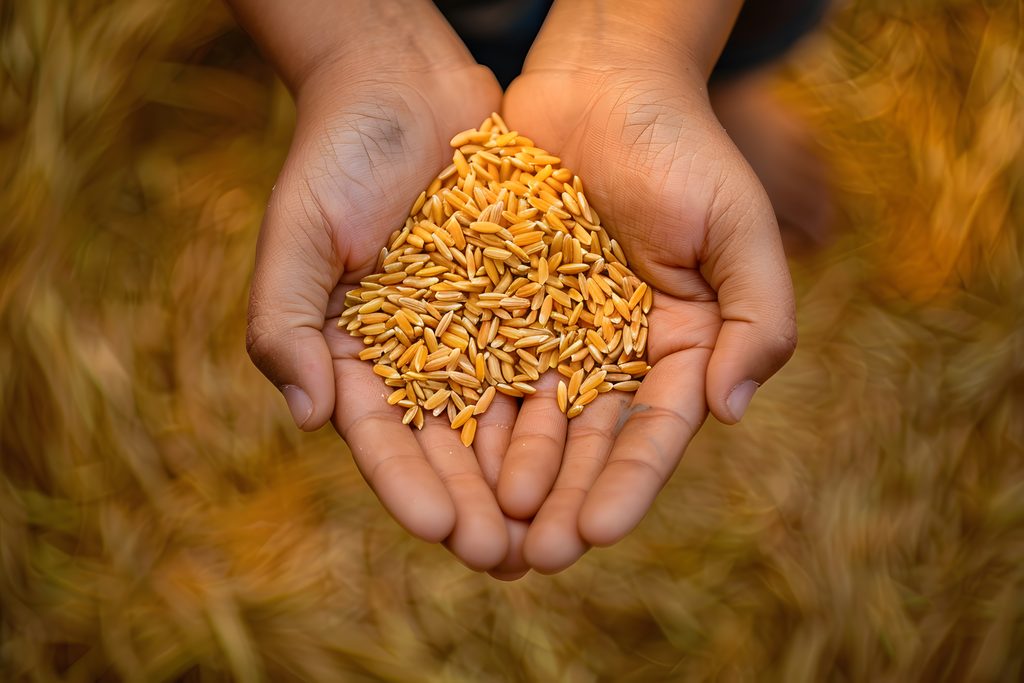
To improve wheat yield in India, the fertiliser programme is the most important input decision a wheat farmer makes every rabi season. Wheat is India’s second most important food crop after rice. It is grown across Punjab, Haryana, Uttar Pradesh, Madhya Pradesh, Rajasthan, and Bihar on millions of acres by farmers who depend on it for both food security and farm income. Yet yield gaps between current farm performance and agronomic potential remain significant across most Indian wheat growing regions. The national average wheat yield in India is well below the yields achieved on research farm trials and in progressive farmer fields using optimised nutrition programmes. This gap is not caused by lack of effort or poor variety selection. It is almost always caused by an incomplete fertiliser programme that misses critical nutrients at critical growth stages. Most Indian wheat farmers apply urea in splits and a basal dose of DAP. But this approach misses potassium, sulphur, zinc, iron, and several other nutrients that are critical for wheat tiller development, grain filling, and grain quality. To improve wheat yield in India means addressing every nutritional requirement of the wheat plant at every stage of its growth cycle. Floral Designs brings the complete Basfoliar range from Compo Expert Germany to Indian wheat farmers. These are precision nutrition products that cover every nutritional gap in the conventional wheat fertiliser programme.
Why Standard Wheat Fertiliser Programmes Fall Short
The standard wheat fertiliser programme on most Indian farms follows a familiar pattern. DAP is applied at sowing for basal phosphorus and nitrogen. Then urea is split into two or three top dressing applications through the tillering and jointing stages. And the programme ends there. No potassium. No sulphur. No micronutrients. And no targeted nutrition at the grain filling stage where the commercial value of the crop is ultimately determined. This approach has two fundamental problems. First, it is nutritionally incomplete. Wheat is a heavy consumer of potassium, sulphur, zinc, and iron. Yet none of these nutrients feature in the standard programme. As a result, the crop is nutritionally deficient from early in the season even when the urea and DAP programme looks adequate on paper. Tiller survival is reduced. Flag leaf development is compromised. And grain filling is incomplete because the plant lacks the potassium needed to load assimilates into the developing grain. Second, the timing of conventional wheat fertiliser applications does not match the crop’s actual nutritional demand curve. Basal DAP at sowing delivers phosphorus before the crop has developed the root system to absorb it effectively. Urea top dressings at fixed calendar intervals may or may not coincide with the crop’s peak nitrogen demand phases. And no provision is made for the nutritional requirements at flag leaf emergence and grain filling, two of the most yield-determining stages in the wheat crop cycle. So a better programme addresses both gaps simultaneously.
Sowing Stage: Getting the Foundation Right Before Germination
The sowing stage is where the wheat season foundation is established. Getting the nutrition right at this stage supports faster germination, better seedling establishment, and stronger early root development. And stronger early roots absorb nutrients more efficiently through the rest of the season. So investing in the right products at sowing pays dividends through every subsequent growth stage. Basacote High K 6M from Compo Expert Germany is an excellent basal fertiliser for wheat. Its six-month controlled release nutrition delivery provides consistent background potassium, nitrogen, and phosphorus nutrition through germination, tillering, jointing, and heading. So the crop has a reliable nutritional foundation from sowing through to the grain filling stage without the nutrient flush and depletion cycle that conventional granular applications create. As a result, early plant development is more even, root systems are stronger, and the plant enters the tillering stage in better nutritional condition. Furthermore, address zinc deficiency proactively at sowing on fields with known zinc deficiency history. Zinc deficiency is one of the most widespread micronutrient problems in Indian wheat growing soils, particularly across the Indo-Gangetic plains of Punjab, Haryana, and Uttar Pradesh. It shows as interveinal white streaking on young leaves and significantly reduces early tillering and root development. So correcting zinc at sowing prevents the early season growth setback that delays the entire crop development timeline. And start Basfoliar Kelp O SL as a foliar spray within the first two weeks after emergence. The natural auxins in seaweed extract stimulate new root growth. So the seedling establishes a stronger root system from the very beginning of the season.
Tillering Stage: Building Maximum Tiller Numbers for Higher Yield
The tillering stage is the most yield-determining phase in the wheat crop cycle. Every productive tiller at harvest carries one ear of grain. So the number of productive tillers per plant and per square metre directly determines the total grain yield. Maximising tiller production and tiller survival through the active tillering phase is therefore the single most important management action available to wheat farmers who want to improve wheat yield in India. Nitrogen is the primary driver of tiller initiation. But nitrogen alone without adequate phosphorus and potassium support produces weak tillers with poor survival rates. So the tillering stage nutrition programme must deliver all three macronutrients effectively alongside each other. Basfoliar 19-19-19 SP applied as a foliar spray every 10 to 14 days through the active tillering phase delivers balanced nitrogen, phosphorus, and potassium nutrition directly to the wheat canopy. It supports maximum tiller production without the excessive vegetative growth that urea-only programmes create. Furthermore, because it is a foliar spray, it delivers nutrition more efficiently than soil-applied fertilisers in the cold, dry soil conditions that characterise the early rabi season in north and central India where root uptake efficiency is limited. As a result, tiller numbers improve and tiller survival through to heading is higher compared to crops on standard urea and DAP programmes. Add Basfoliar Kelp O SL to alternate foliar sprays through the tillering phase. The natural cytokinins in seaweed extract support cell division in developing tillers and delay the senescence of established tillers. So the plant maintains more functional tillers through the vegetative phase and produces a higher proportion of productive ears at harvest. Furthermore, on farms where iron deficiency is present, start Basafer Plus through the irrigation system during the tillering phase. Iron chlorosis on wheat leaves reduces photosynthetic efficiency at the stage when the plant needs maximum energy for tiller development and root exploration.
Jointing and Flag Leaf Stage: Critical Nutrition for Ear Development
The jointing and flag leaf stage is one of the most nutritionally sensitive phases in the entire wheat crop cycle. At jointing, the developing ear moves from its position in the stem to its final position at the top of the plant. The number of spikelets per ear and the number of florets per spikelet are determined at this stage. So the nutritional status of the plant at jointing directly caps the maximum grain count per ear regardless of how well the grain filling stage is managed later. The flag leaf is the most important single leaf on a wheat plant. It contributes more to grain filling than any other leaf on the plant. So its size, health, and functional duration are critical determinants of final grain yield. And the nutritional programme through the flag leaf emergence and duration period has a direct impact on how much photosynthate the flag leaf can produce and load into the developing grain. Switch the primary foliar spray to Basfoliar 13-40-13 SP as the wheat crop approaches jointing. Apply it two to three times as a foliar spray from jointing through to flag leaf emergence. Its high phosphorus formulation drives ear development, spikelet formation, and floret development at the most critical reproductive initiation stage of the wheat crop cycle. As a result, spikelet numbers per ear improve, floret development is more complete, and the grain yield foundation is established at its highest possible level. Furthermore, continue Hydrospeed CaB Max through the irrigation system through the jointing and flag leaf stage. Calcium is essential for cell wall development in the rapidly elongating stem internodes at jointing. And boron supports the pollen viability that determines fertilisation success at heading. So adequate calcium and boron through jointing and flag leaf emergence sets the plant up for maximum grain set at heading.
Heading and Grain Filling Stage: Potassium Nutrition for Better Grain Weight
The heading and grain filling stage is the final phase of the wheat crop cycle where the commercial outcome at harvest is determined. Grain weight, protein content, test weight, and milling quality are all established during this phase. And potassium is the dominant nutritional driver of all these quality parameters. Potassium controls the loading of assimilates from the flag leaf and other source tissues into the developing grain. So adequate potassium during grain filling means heavier grains with higher test weight and better protein content. Potassium also maintains the health and functional duration of the flag leaf during the grain filling period. So the flag leaf stays green and photosynthetically active for longer, producing more assimilates for grain filling. As a result, grain weight at harvest is significantly higher on crops where potassium nutrition is maintained through the grain filling phase. Basfoliar Fruit SP is the primary foliar spray for the heading and grain filling phase. Its high potassium and phosphorus formulation drives assimilate loading into the developing grain and supports the energy demands of rapid grain filling. Apply it every 10 to 14 days from heading through to two weeks before expected harvest. As a result, grain weight improves, test weight increases, and the proportion of fully developed grains per ear goes up compared to crops where potassium nutrition is not maintained through the grain filling stage. Basfoliar K WP is introduced in alternate sprays through the grain filling and pre-harvest phase. Its chloride-free potassium formulation delivers clean potassium nutrition without the chloride accumulation that standard potassium fertilisers create in intensively farmed wheat soils. So grain quality parameters including protein content, test weight, and milling quality all improve compared to crops fertilised with chloride-containing potassium sources.
The Complete Wheat Nutrition Programme at a Glance
To improve wheat yield in India, here is how the complete precision nutrition programme fits together using the Compo Expert Germany range from Floral Designs. Step 1: At sowing, apply Basacote High K 6M as the basal controlled release application. Address zinc deficiency proactively on deficient fields. And apply Basfoliar Kelp O SL as a foliar spray within the first two weeks after emergence for stress-free establishment and root stimulation. Step 2: Through the active tillering phase, apply Basfoliar 19-19-19 SP as the primary foliar spray every 10 to 14 days. Add Basfoliar Kelp O SL to alternate sprays for tiller support and stress tolerance. And start Basafer Plus through irrigation on iron-deficient fields. Step 3: From jointing through flag leaf emergence, switch the primary foliar spray to Basfoliar 13-40-13 SP. Apply it two to three times through jointing and flag leaf emergence. And maintain Hydrospeed CaB Max through the irrigation system for calcium and boron support through jointing and heading. Step 4: From heading through grain filling, apply Basfoliar Fruit SP and Basfoliar K WP in alternate sprays every 10 to 14 days through to two weeks before harvest. So this four-step programme addresses every major nutritional requirement of the wheat crop from sowing through to pre-harvest grain filling. Each product is chosen for the stage where it delivers the greatest impact on tiller number, ear development, grain count, grain weight, and overall yield. As a result, wheat farmers who follow this programme see stronger tillering, better ear development, heavier grain filling, higher test weight, and significantly improved total grain yield from the same fields compared to the standard urea and DAP programme they were using before. For detailed agronomic research on wheat nutrition and fertiliser management across Indian growing regions, visit the Indian Council of Agricultural Research which publishes extensive guidelines on integrated nutrient management for wheat across all major Indian rabi growing states and soil types. Browse the complete Compo Expert Germany range on the Floral Designs Shop. Learn more about the brand and its sourcing philosophy on the About Us page. And contact the team for personalised guidance on building a wheat nutrition programme for your specific variety, soil type, and growing region.
Conclusion
To improve wheat yield in India, the standard urea and DAP programme is not enough. It misses potassium at every stage. It ignores sulphur, zinc, iron, and calcium entirely. And it provides no targeted nutrition at the jointing, flag leaf, and grain filling stages where the commercial value of the crop is ultimately determined. The Compo Expert Germany range available through Floral Designs covers every one of these gaps with precision products chosen for each stage of the wheat crop cycle. So this rabi season, stop leaving yield in the field because of nutritional gaps that a smarter programme could close. Build the right programme. Feed every stage. And see what your wheat crop can actually deliver.